
.png)
Glitter for Arts and Crafts: Materials, Safety, and Best Practices

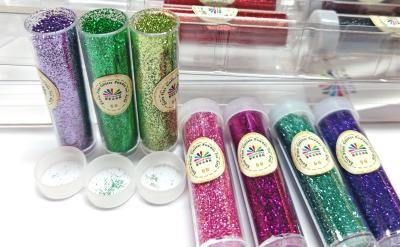
Glitter has become an essential element in modern arts and crafts, providing projects with sparkle, texture, and visual appeal. Whether used in school projects, DIY home décor, or professional crafts, selecting the right glitter for arts and crafts is crucial. In addition, understanding the materials, safety precautions, and best practices ensures that every project is both beautiful and safe. Xucai, a leading manufacturer of high-quality glitter, offers a wide range of products crafted from PET, PVC, and aluminum to meet diverse creative needs.
Materials Used in Glitter for Arts and Crafts
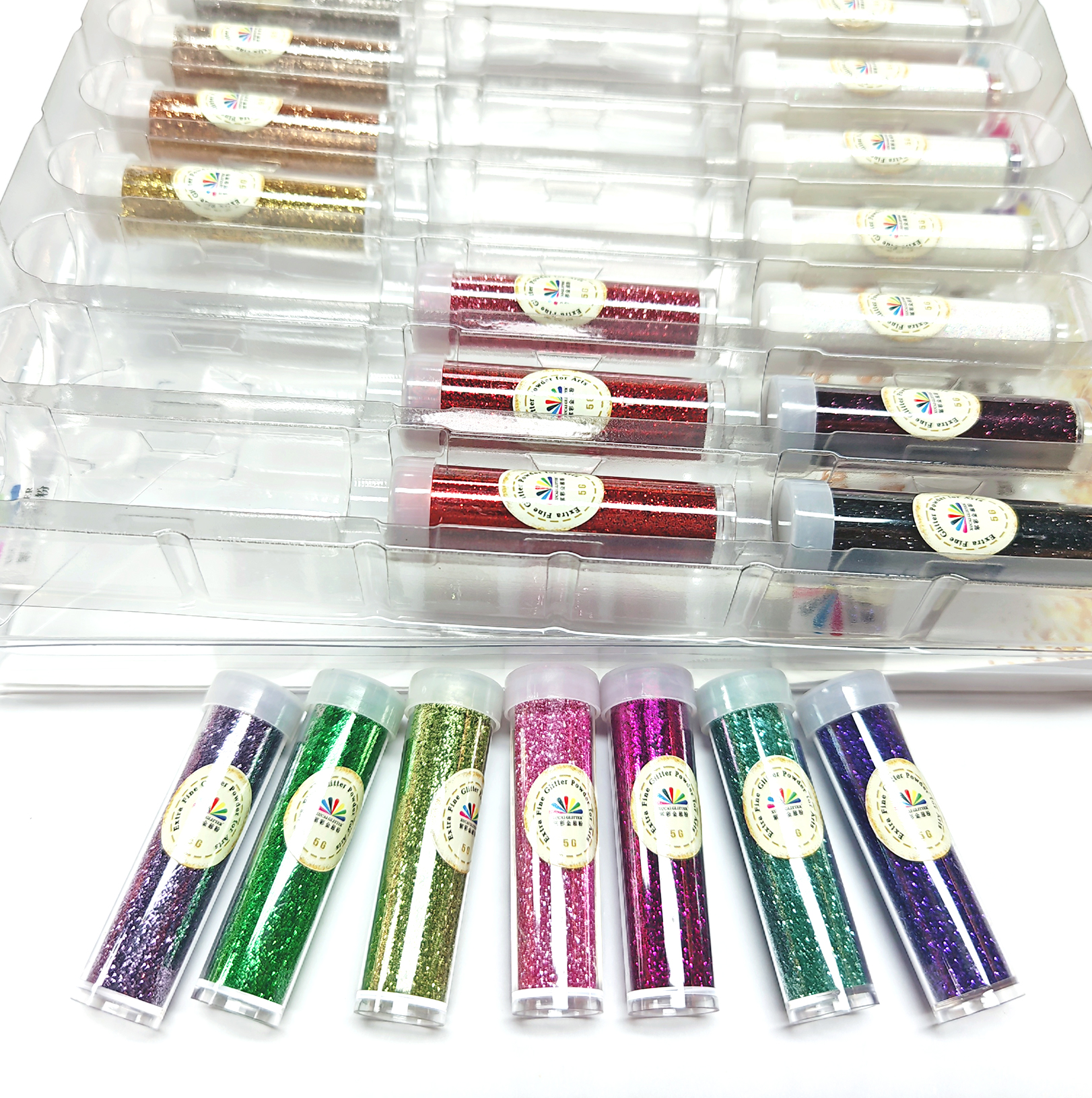
Glitter for arts and crafts is commonly made from materials such as PET, PVC, and aluminum. PET glitter is lightweight, reflective, and flexible, making it ideal for detailed and intricate projects. PVC glitter is durable and resistant to moisture, which is perfect for decorations that need to last longer or for outdoor applications. Aluminum glitter, on the other hand, is highly reflective and adds a metallic sheen, making it suitable for premium crafts and decorative items. Therefore, understanding the material properties helps crafters choose the most appropriate type for their specific projects.
Safety Considerations When Using Glitter
Although glitter can enhance artistic creations, safety must always be a priority. Small glitter particles can pose inhalation or eye hazards, especially for children. Consequently, it is recommended to work in well-ventilated areas and use protective equipment such as masks or goggles when handling loose glitter. Furthermore, Xucai ensures that their glitter for arts and crafts meets strict safety standards, using non-toxic and eco-friendly materials that reduce potential risks. By following these safety guidelines, crafters can enjoy the creative benefits of glitter without compromising their health.
Best Practices for Glitter Application
To achieve professional results with glitter for arts and crafts, proper application techniques are essential. First, always prepare the surface by cleaning and priming it, ensuring the glitter adheres effectively. Next, use appropriate adhesives such as glue, varnish, or resin, depending on the project type and material. In addition, applying glitter in thin layers and allowing adequate drying time prevents clumping and uneven coverage. Moreover, combining different colors and sizes of glitter can create depth and dynamic visual effects. Finally, proper storage in airtight containers protects glitter from moisture and contamination, preserving its quality for future projects.
Enhancing Creativity with Glitter
Incorporating glitter for arts and crafts into projects not only enhances visual appeal but also inspires creativity. For instance, PET glitter can be layered to create gradients, while aluminum glitter adds metallic highlights that catch the light. PVC glitter is excellent for 3D crafts and textured surfaces. By experimenting with these materials and techniques, artists can develop unique and memorable designs that stand out.
Conclusion: Combining Safety, Quality, and Creativity
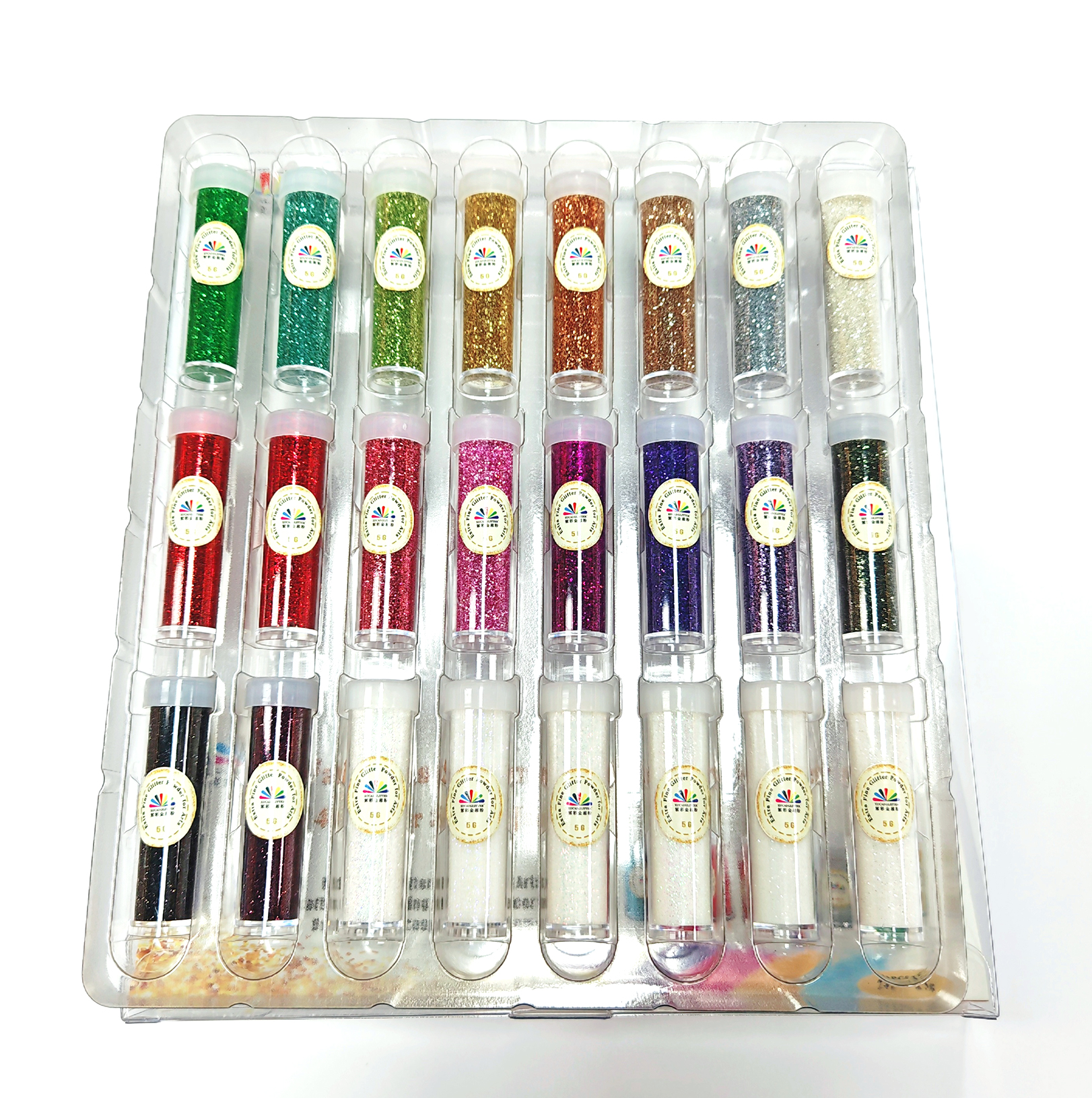
In conclusion, glitter for arts and crafts is a versatile and inspiring material that requires careful consideration of its materials, safety, and best practices. With options like PET, PVC, and aluminum, crafters have the flexibility to create dazzling projects while ensuring durability and safety. By following proper guidelines and choosing high-quality products from companies like Xucai, artists and hobbyists alike can achieve stunning results. Ultimately, understanding the properties, precautions, and application methods of glitter allows every craft project to shine with both beauty and professionalism.