
Nail formulation projects
Identify whether the project is a lacquer, gel or another defined nail format. Provide the carrier, cure method and intended use so the exact material can enter a document review before formulation screening.
Document-led material review
Begin with the exact cosmetic use and destination market. Review the identity and evidence for the selected material before a formulation trial, then keep that review separate from finished-product assessment.
Discuss this application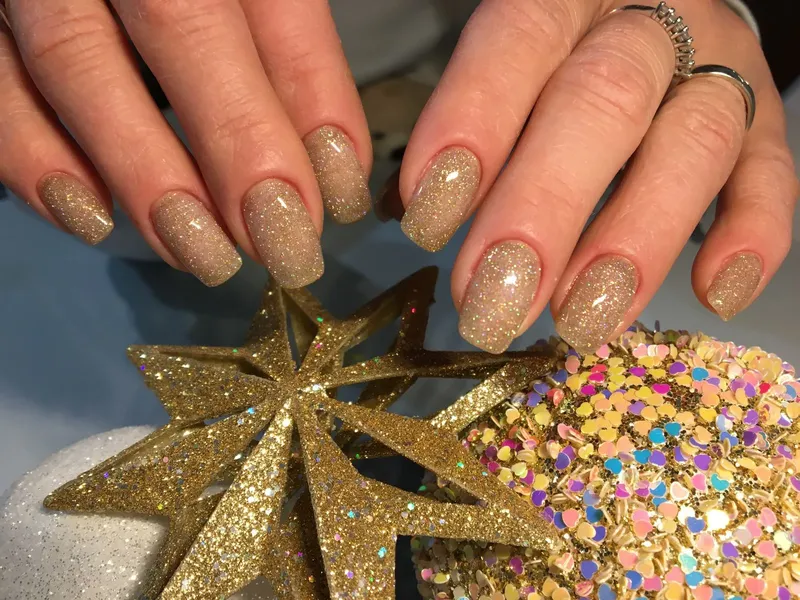
THE PROJECT AT A GLANCE
WHERE THE FINISH WORKS
Identify whether the project is a lacquer, gel or another defined nail format. Provide the carrier, cure method and intended use so the exact material can enter a document review before formulation screening.
State where and how the finished product will be used, including whether it is rinsed off or left on. Ask the responsible assessor to identify the evidence needed for the material and final formula.
Treat any change to the intended application area, including eye or lip use, as a separate review. Do not transfer a conclusion from a different product, colour, material or market.
YOUR DEVELOPMENT CHECKLIST
Use these six points to prepare the sample brief. Set the test method and pass criteria for your finished product before approving a material.
| Requirement | What to specify | What to verify |
|---|---|---|
| Use & market | Nail lacquer, gel or another defined format; precise application area, users and destination countries. | Have the responsible assessor identify the material evidence needed for that use. Treat eye, lip or a new application area as a separate review. |
| Complete particle identity | Sample or batch code, substrate, coating, colorants, surface treatment and particle dimensions. | Match the documents to the complete selected particle. A report for a raw component or another colour is not automatically equivalent. |
| Document scope | The composition details, test endpoints, methods and acceptance limits requested by the assessment team. | Review the report sample, issuer, date, conditions and result. A generic cosmetic-grade label or SDS does not replace this review. |
| Carrier & processing | Carrier, loading, mixing, hold time, cure or drying method and any technical constraints. | After the material review, trial dispersion, settling, colour transfer and appearance in the intended formula and process. |
| Stability & pack | The stability programme, container, closure and expected product-use conditions set by the project team. | Record material identity and formula conditions for each observation. Keep development performance separate from an intended-use approval. |
| Finished product & claims | Final format, labelling, cosmetic or environmental wording and the responsible approval team. | Complete the required finished-product review before commercial use. A successful glitter formulation trial alone does not settle those questions. |
CONNECT THE SAMPLE TO ITS RECORDS
Request the following for the selected grade and project. The available documents below show their own sample identity and scope.
Available documentation
Open the supplied originals and compare the tested sample with your specification. These records apply to the samples and methods identified in each document.
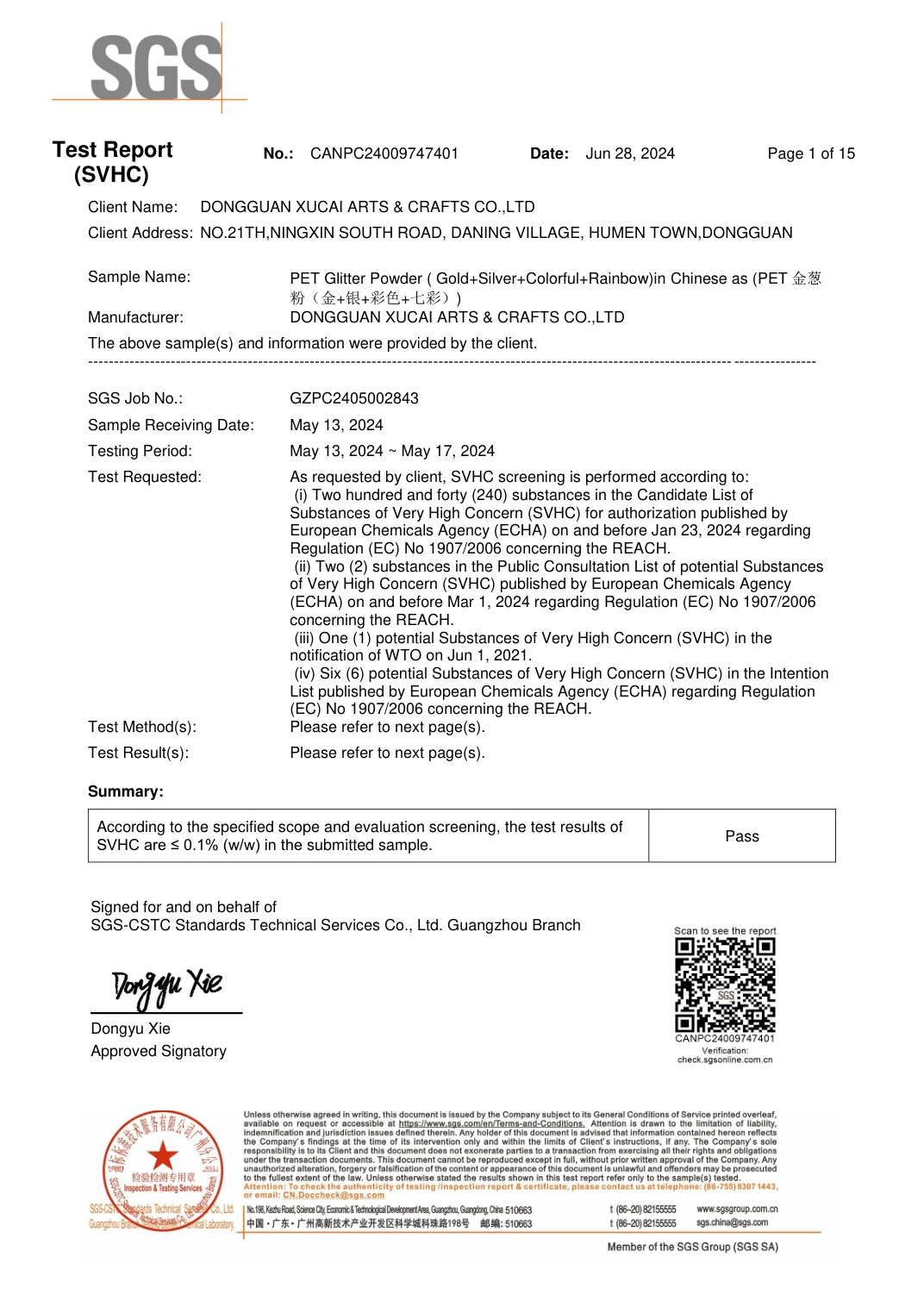 View original
Chemical screening report ·
SVHC screening of the submitted PET glitter sample against the substance lists specified in the 2024 report.
Sample scope. Gold, silver, coloured and rainbow PET glitter in the submitted sample. Review the full report and request updated screening where the current market or product requires it.
Recorded result. The report records Pass, with screened SVHC at or below 0.1% by weight in the submitted sample.
Method. 240 ECHA Candidate List substances published on or before 23 January 2024; Additional consultation / intention substances expressly listed in the report
The substance list is dated and may have changed. This is not proof of compliance with the current entire REACH regulation or approval for cosmetic, food-contact or other finished-product uses.
Dated sample report; no expiry date is stated. Confirm the selected grade and the current requirements before ordering.
A test report records a result for a submitted sample. An SDS or MSDS provides safety information. Neither should be presented as a certification of every colour, series or finished product.
FROM PROCESS TO PARTICLE
Write down the finished product format, application area, users and destination countries. Identify who will assess the finished product and approve its intended claims.
Request the sample code, substrate, coatings, colorant identity and other relevant composition details. Ask whether each document concerns the complete particle, a component or another grade.
Have the responsible technical or regulatory specialist review the documents against the intended use. Record restrictions, missing information and any additional work needed before proceeding; a supplier-wide statement is not a material-specific conclusion.
Once the project team accepts a candidate for development, test it in the intended base and process. Retain the sample identity, formula conditions and result, then complete the separate assessment of the finished product.
PHYSICAL MATERIAL REFERENCES
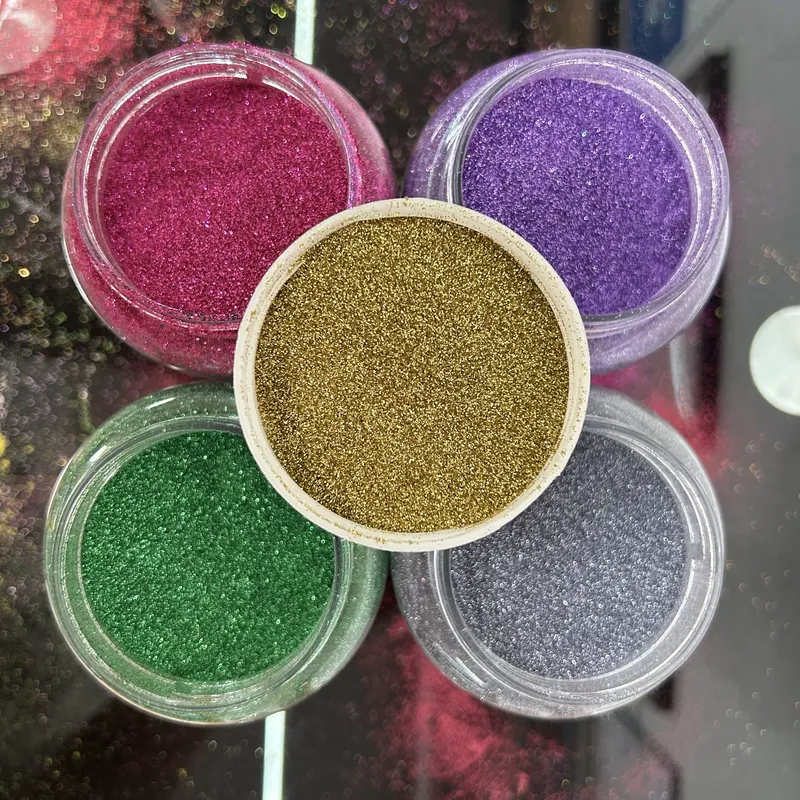
Compare these material candidates after reviewing your process and document needs. The photographs below show glitter samples for product selection.
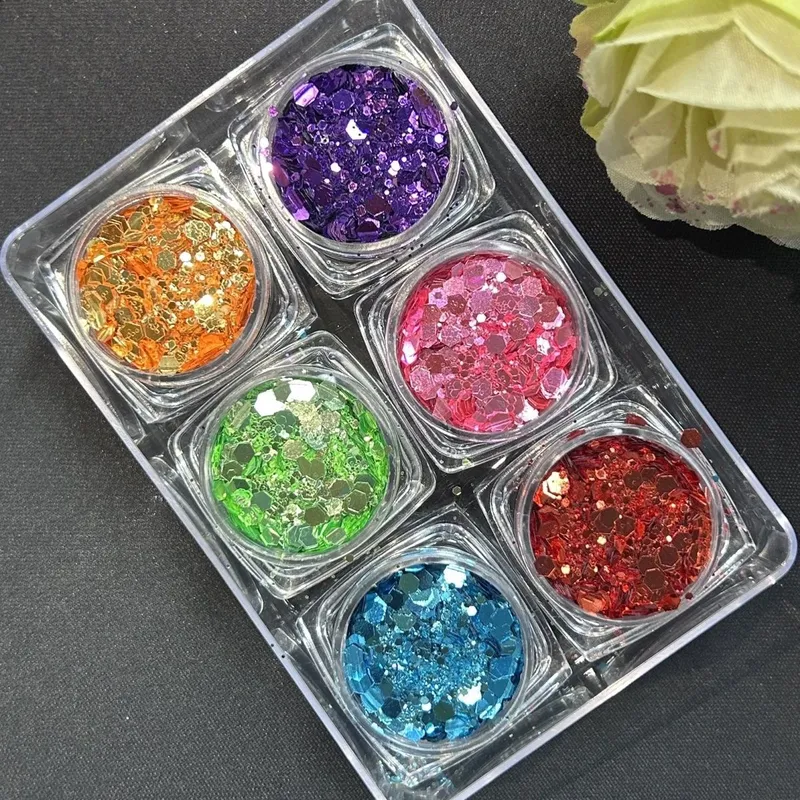
A metallic appearance reference for an initial material enquiry only. No cosmetic suitability is implied; request the exact selected grade’s composition and relevant documents first.
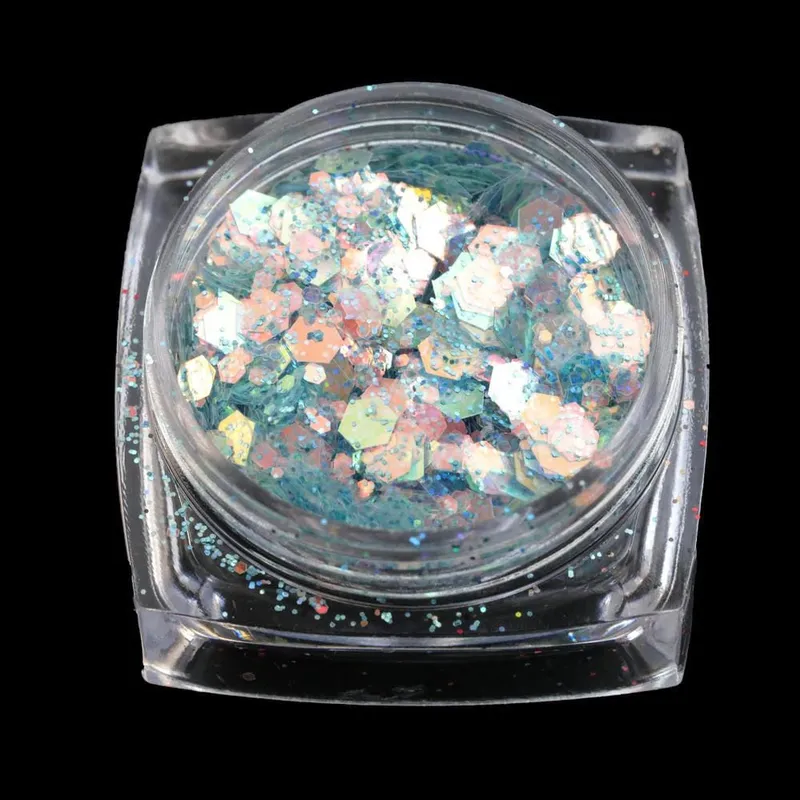
An iridescent appearance reference to discuss with the assessor. Establish the complete particle identity and intended-use evidence before selecting a formulation sample.
A PLA-based construction to discuss when it is part of the development brief. Review cosmetic use and any environmental wording independently; neither follows from the PLA name.
ON YOUR SAMPLE BENCH
APPLICATION QUESTIONS
No. It describes a development and sourcing process. Any proposed eye or lip application requires a separate review of the exact material, composition, evidence and destination-market requirements.
No. Request material-specific information and have it reviewed for the actual use and market. A report for another colour or construction should not be assumed to cover your sample.
No. An acceptable appearance or stability result answers a development question. The responsible team must separately assess the finished product, its intended use and proposed claims.
YOUR APPLICATION. YOUR REFERENCE.
Specify the finished cosmetic format, exact application area, intended users and destination countries. Identify the series and colour you want to investigate, the responsible assessment team and required documents. Include the carrier, loading, process conditions and any cosmetic or environmental claims that need review.
Enquire with this application brief